
Free and open-source browser-based animation and video editing project.
Launch Open Motion · MIT License
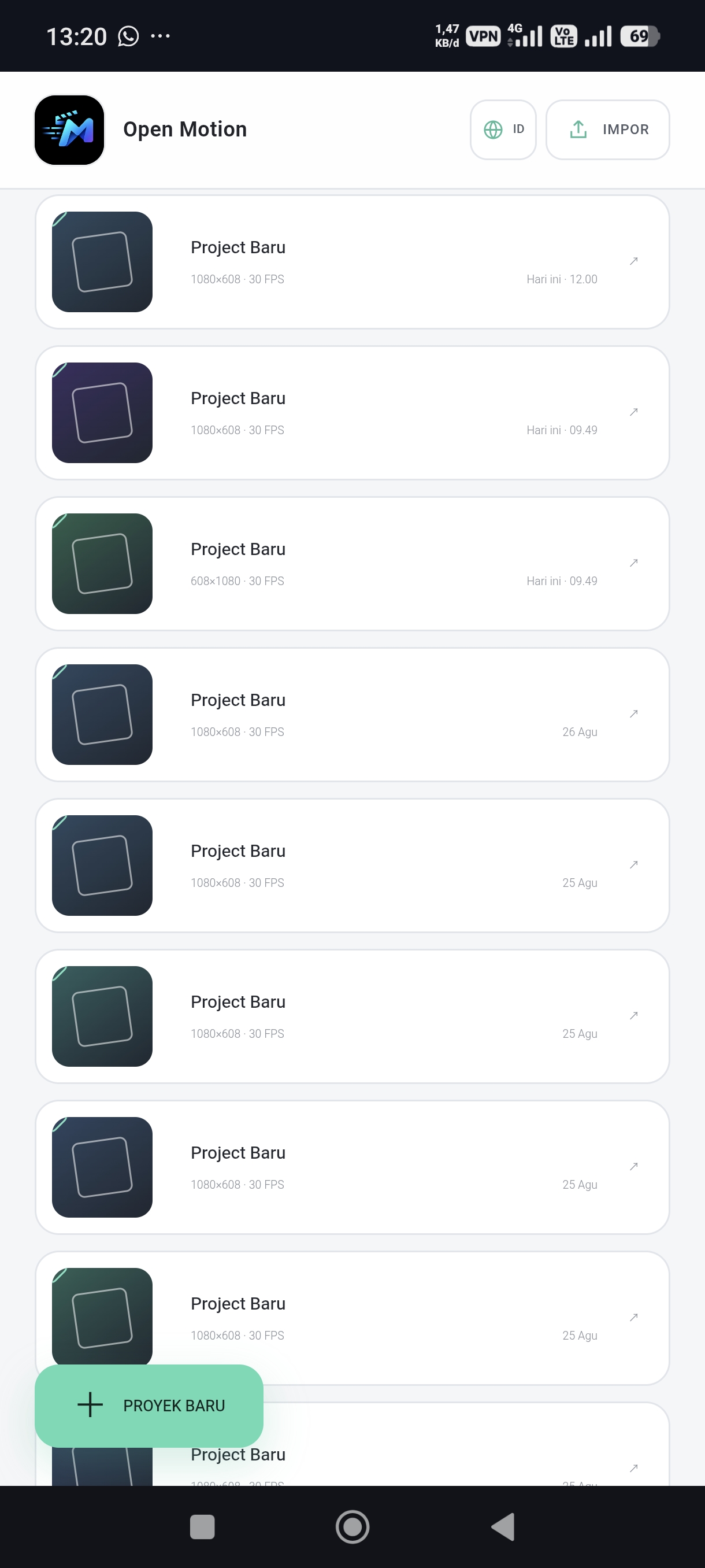
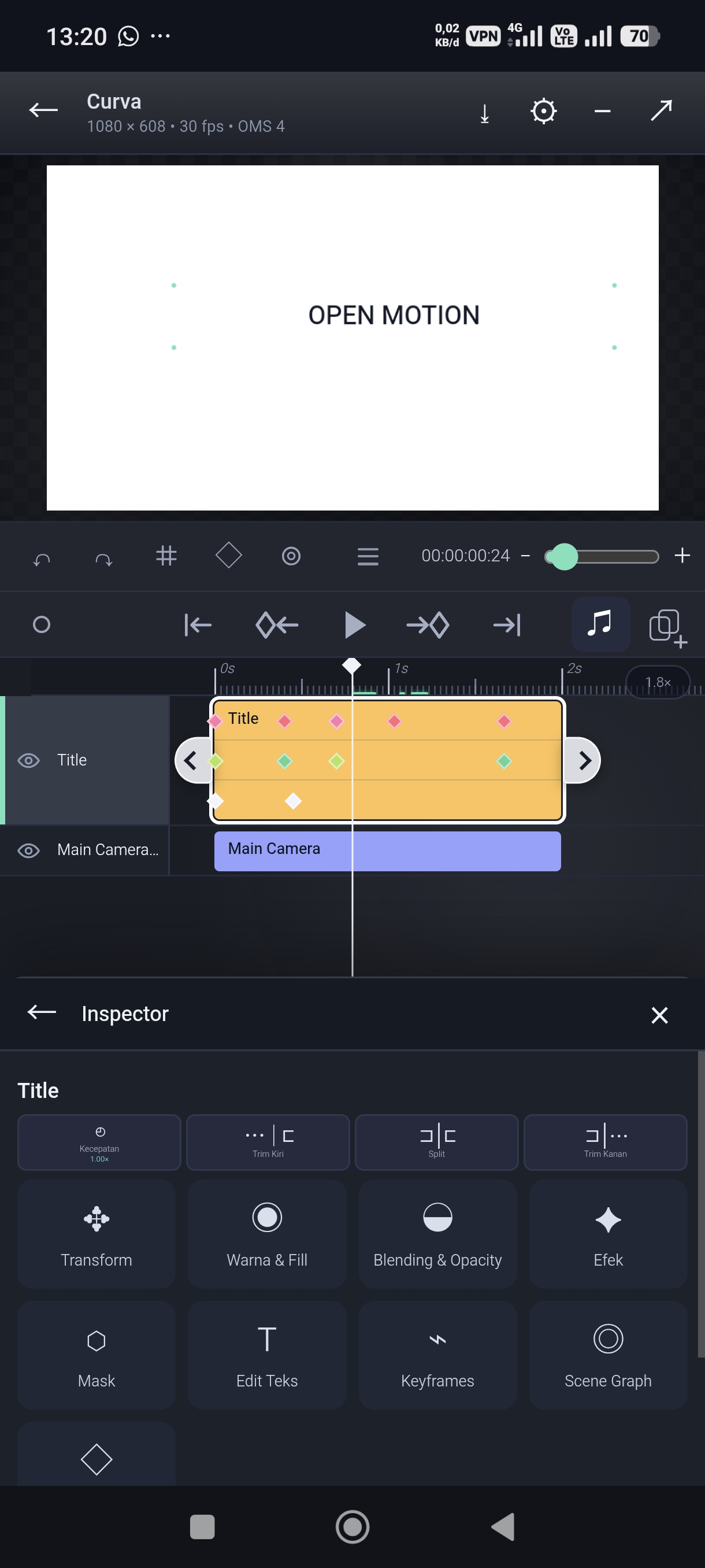
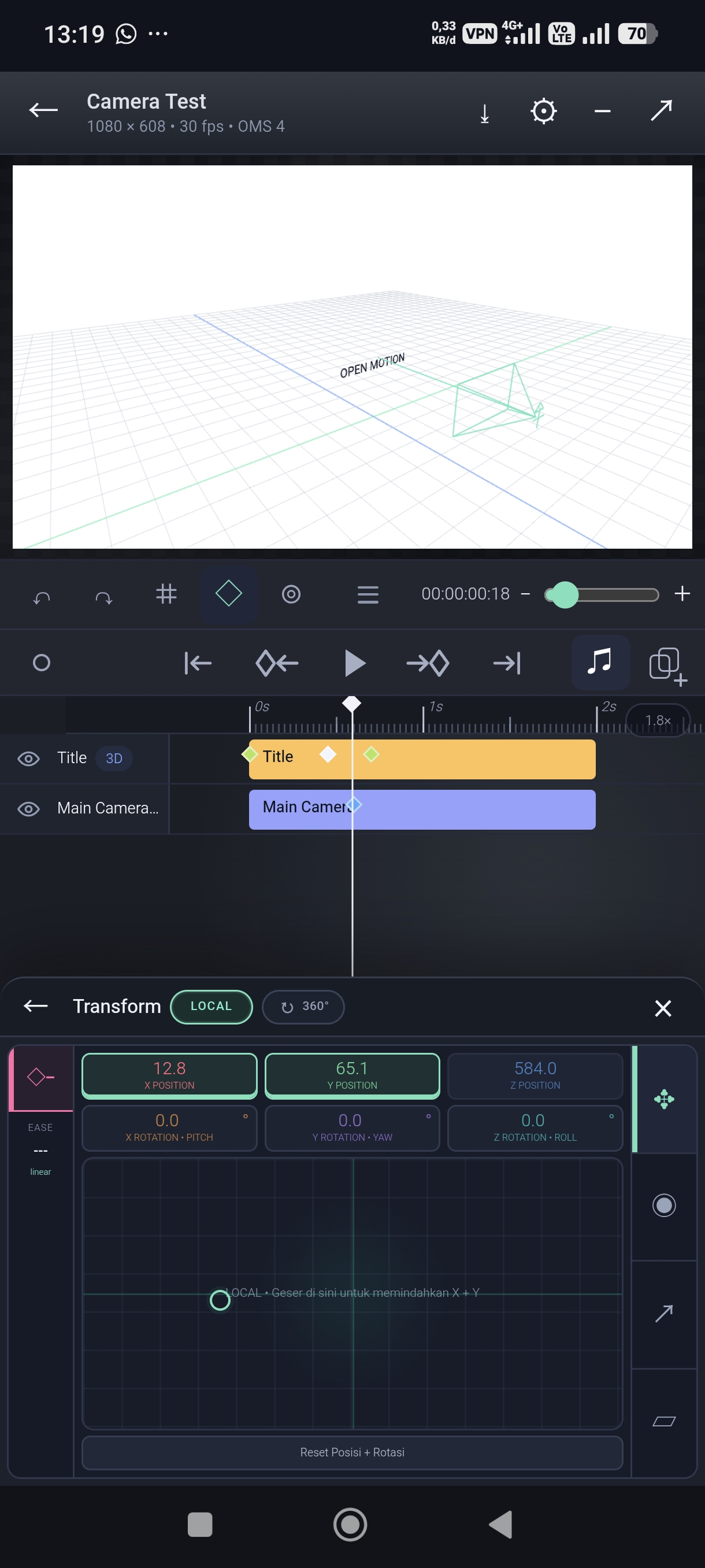
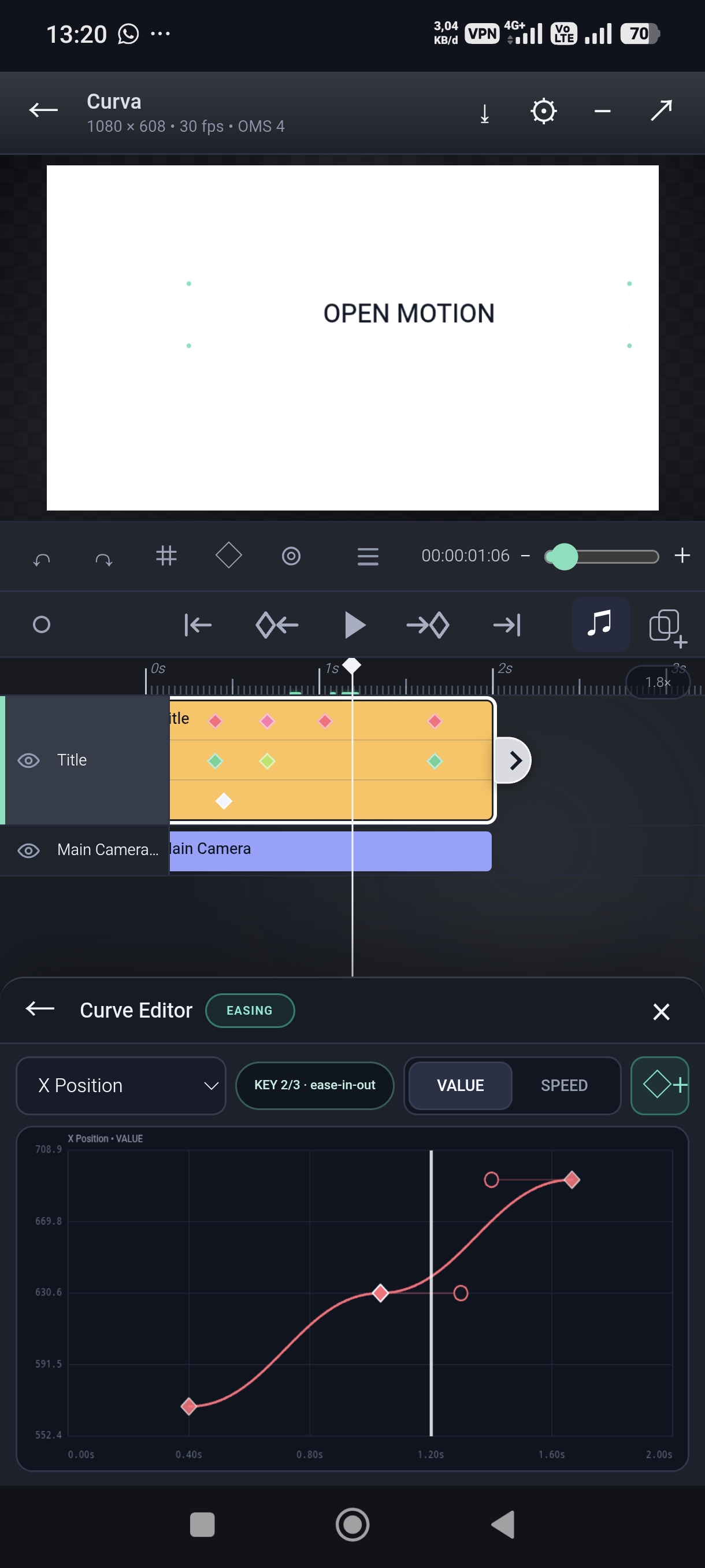
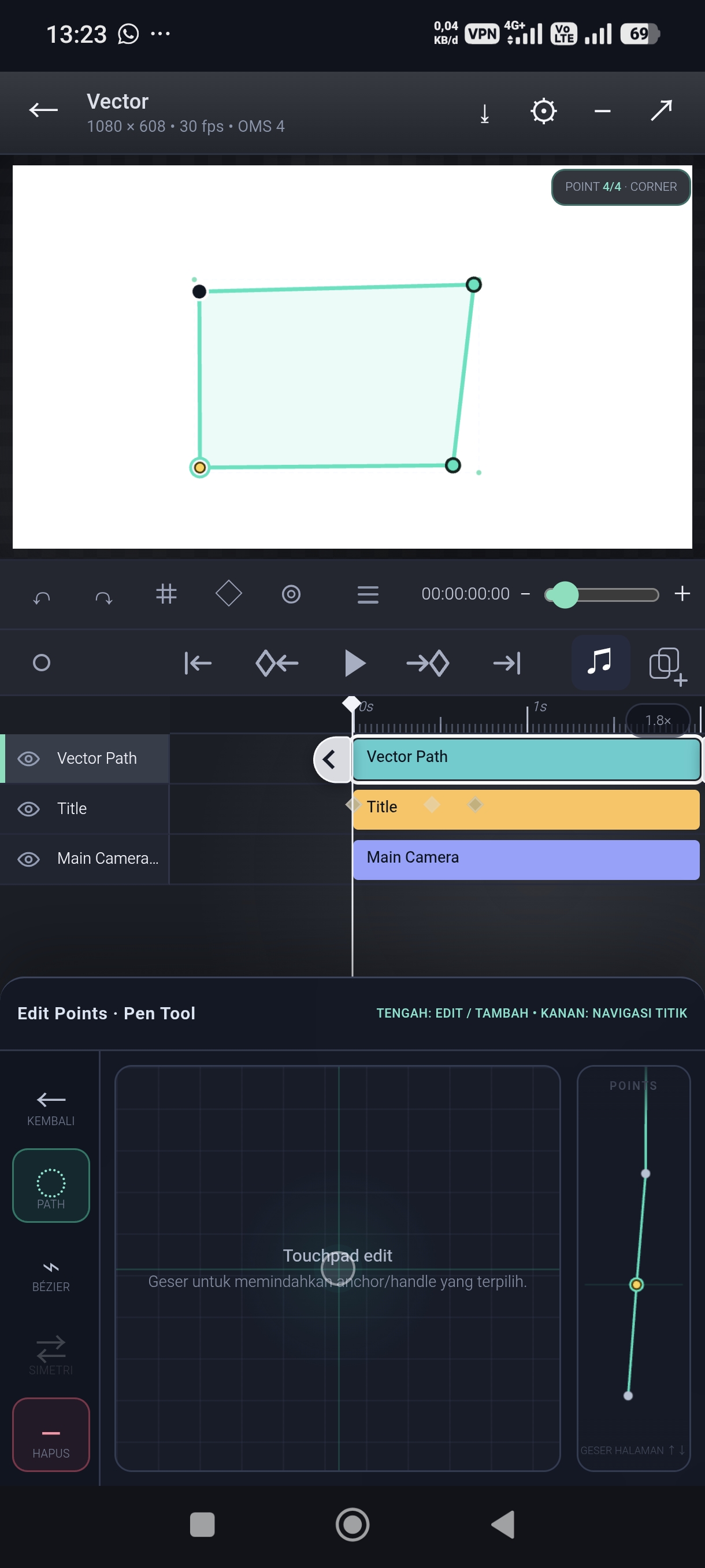
🟨 PROTOTYPE / WORK IN PROGRESS
Open Motion is still under active development and is not production-ready yet. Features, project formats, UI behavior, and internal systems may continue to change.
Open Motion currently runs directly in a modern web browser:
Recommended browser: Google Chrome.
Some features may not work correctly in other browsers.
No installation, build step, or development server is required.
Open Motion is a free and open-source browser-based animation and video editing project designed with a strong focus on mobile workflows.
The project currently focuses on keyframe animation, vector editing, layer-based editing, 3D transforms, timeline controls, and experimental high-performance rendering.
More advanced motion graphics and visual effects features are still under active development.
Animate layer properties using timeline-based keyframes with interpolation controls.
Fine-tune animation timing using easing controls and curve editing tools.
Create and edit vector paths with anchors, Bézier handles, point insertion, open and closed paths, and touch-oriented editing controls.
Work with position and rotation in 3D space, including camera-oriented transform workflows.
Build compositions using multiple editable layers with timeline controls, visibility, ordering, and contextual property editing.
Control layer timing, keyframes, playback position, duration, and animation properties through the timeline interface.
Open Motion includes experimental rendering and playback systems focused on performance, GPU acceleration, export quality, and mobile hardware.
The editor is designed around touch interaction while remaining usable on desktop browsers.
Open Motion currently runs directly in a modern web browser without requiring a traditional installation or build process.
Open Motion includes PWA support and can be installed from supported browsers for a more app-like experience.
Open Motion is released as open-source software under the MIT License.
Open Motion is still evolving. Areas under active development include:
- Motion graphics workflows
- Visual effects
- Rendering quality and performance
- Advanced vector editing
- 3D editing and camera workflows
- Export and media processing
- Timeline and keyframe tools
- Mobile editing experience
- Project management and persistence
- Browser compatibility
Open Motion is currently developed as a web-based application. This makes it faster to experiment with new ideas, test editor workflows, and iterate on features while the project is still in an early stage.
In the future, there are plans to explore a native version of Open Motion, including an Android application, once suitable native technologies are mature enough for the project.
Open Motion may use Opus Framework as one possible foundation for a future native version once it becomes publicly available.
The current prototype is primarily built with:
- HTML
- CSS
- JavaScript
- Canvas
- WebGL
- Browser media APIs
- Progressive Web App technologies
The current prototype intentionally remains largely self-contained while the architecture continues to evolve.
Google Chrome is currently the recommended browser for testing Open Motion.
Because Open Motion uses modern browser APIs for rendering, media processing, GPU acceleration, fullscreen behavior, and local project storage, some features may behave differently or may not yet work in other browsers.
Mobile Chrome is currently one of the primary development targets.
Contributions, testing, bug reports, ideas, and technical discussions are welcome.
Because Open Motion is still under active development, major parts of the codebase, architecture, project format, and user interface may change.
If you find a bug or have an idea for an improvement, feel free to open an Issue or contribute to the repository.
Open Motion is licensed under the MIT License.